Internal Rotation vs. Hello Elbow: Understanding the Differences
Exploring the two major fastpitch pitching models and what the science says about them.
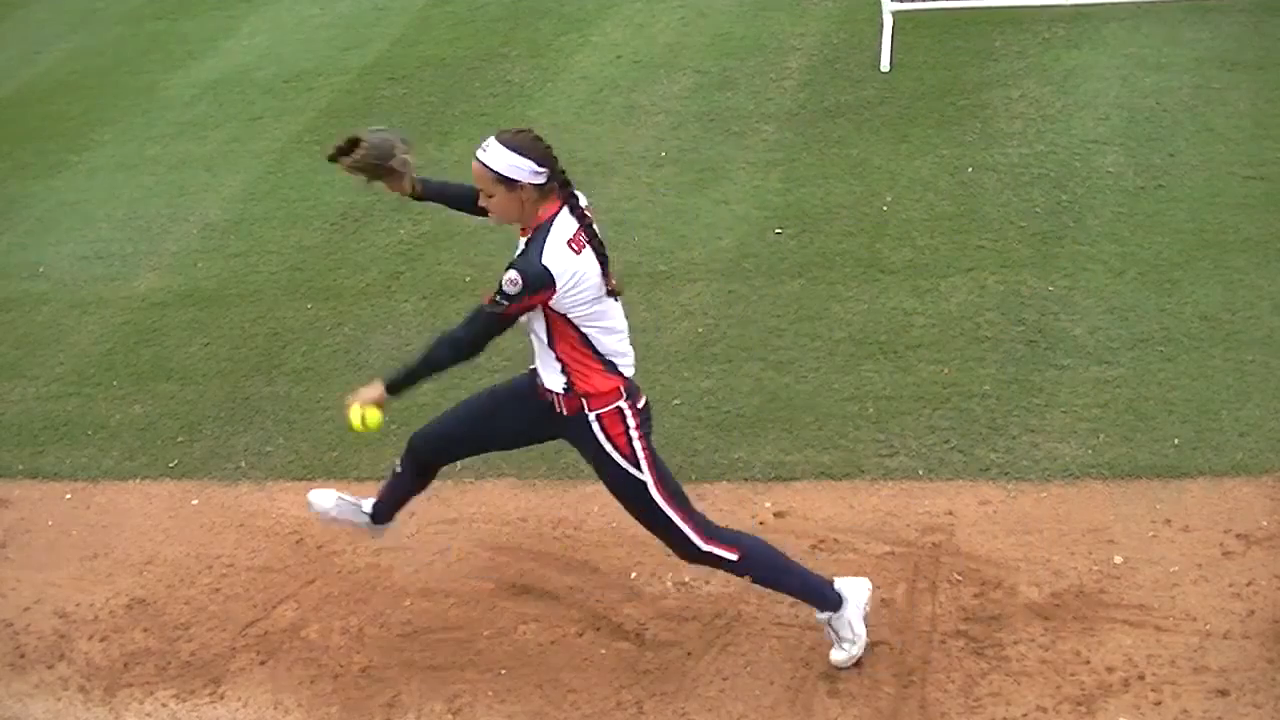
This is one of the most relevant discussions in today's softball pitching world.
In Argentina, the dominant pitching model taught to young pitchers is Hello Elbow. For many coaches, it is simply "the way pitching is taught."
In contrast, most of the pitching instruction currently seen in the United States and Japan appears to be based, either directly or indirectly, on Internal Rotation (IR), while Hello Elbow plays a much smaller role.
What Is Internal Rotation?
Internal rotation (also known as medial rotation) is the anatomical movement that occurs when a limb rotates around its own longitudinal axis, bringing its front surface closer to the body's midline. It is a fundamental movement used in everyday activities and occurs primarily in two major joints:
Major Joints Involved
- Hip: The femur rotates inward, causing the knee and kneecap to turn toward the opposite leg. This movement is important for locomotion and changes of direction.
- Shoulder: The upper arm rotates toward the body, such as when reaching behind your back.
Internal Rotation in Softball Pitching
When coaches talk about Internal Rotation (IR), they are usually referring to a pitching style built around a series of connected biomechanical events working together to generate velocity and efficiency.
The most important components are:
- Efficient energy transfer through the kinetic chain, beginning when the stride foot lands and ending with internal shoulder rotation.
- Internal shoulder rotation itself, where the arm moves from a fully externally rotated position (palm facing upward) into rapid internal rotation immediately before ball release.
- The whip effect at release, which is largely a result of proper sequencing throughout the kinetic chain combined with internal shoulder rotation.
Although the technique is named after internal shoulder rotation, that movement does not occur in isolation. It is simply the final expression of a sequence involving the legs, hips, trunk, and arm working together.
Unlike many pitching discussions that rely primarily on coaching tradition or personal experience, Internal Rotation mechanics have been extensively documented through biomechanical research. Multiple studies have analyzed elite pitchers using objective measurement tools and motion analysis systems.
What Is Hello Elbow?
Hello Elbow is another widely taught pitching model. In fact, it remains the dominant approach throughout much of Argentina.
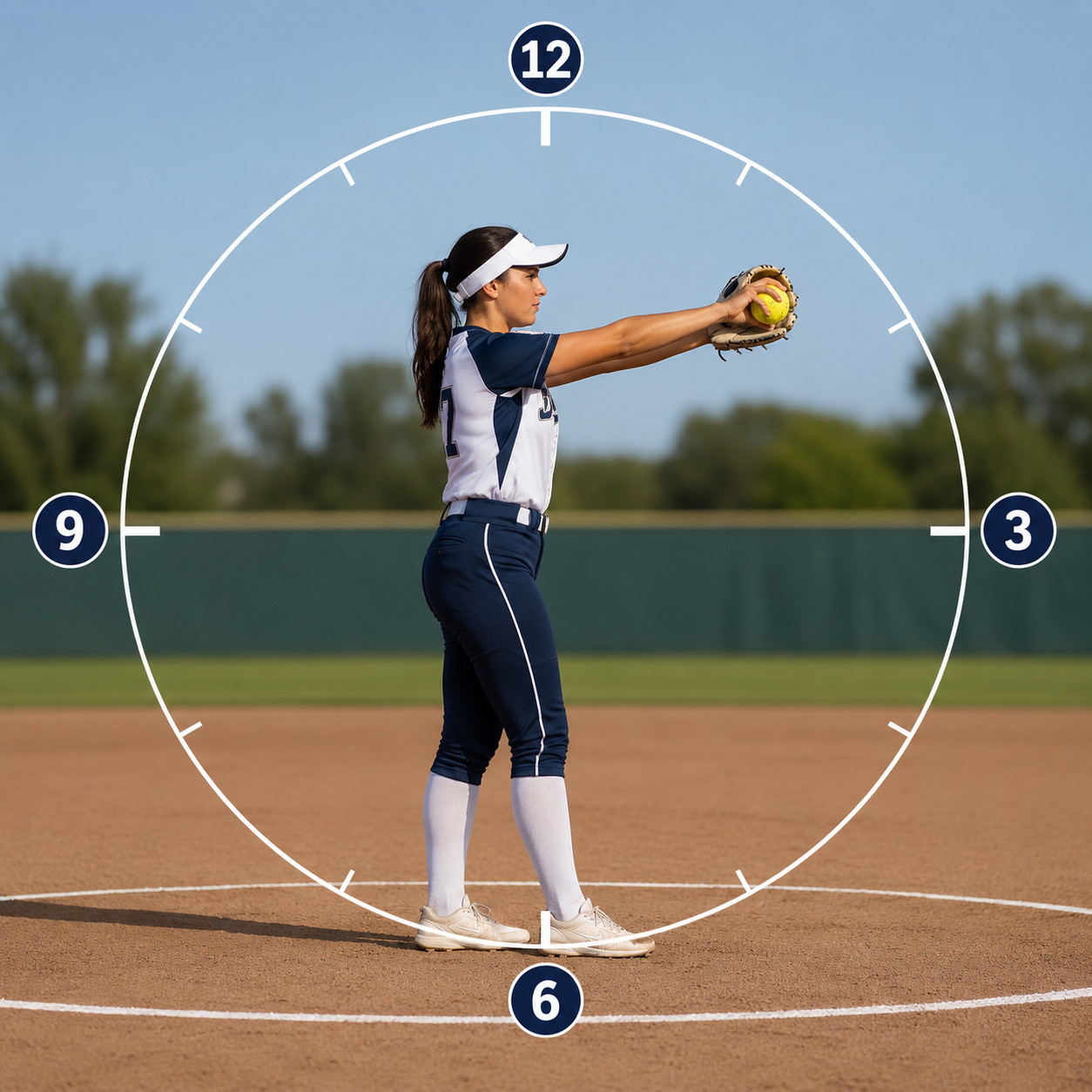
The key characteristics commonly associated with Hello Elbow include:
- From 12 o'clock (top of the circle) to 6 o'clock (release area), the shoulder is taught to rotate internally while the arm remains fully extended and the palm faces downward.
- The hips are taught to stay fully open all the way through release. They begin closing only after the ball leaves the hand. The rationale is that the arm path should remain unobstructed and that early hip closure interferes with arm speed.
- The shoulder is often described as the axle of a wheel, with the arm rotating around it.
- The whip effect is considered a product of a very fast arm circle.
- Some instructors discourage brush contact altogether, arguing that eliminating contact between the arm and the body allows for greater arm speed and reduced stress on the elbow.
When this model is taught, discussions about front-side stability or properly blocking the stride leg are often absent.
What's interesting is that it's surprisingly difficult to find elite pitchers who consistently demonstrate all of these characteristics in competition. This includes pitchers who were originally trained under Hello Elbow principles and even some who continue teaching the model today.
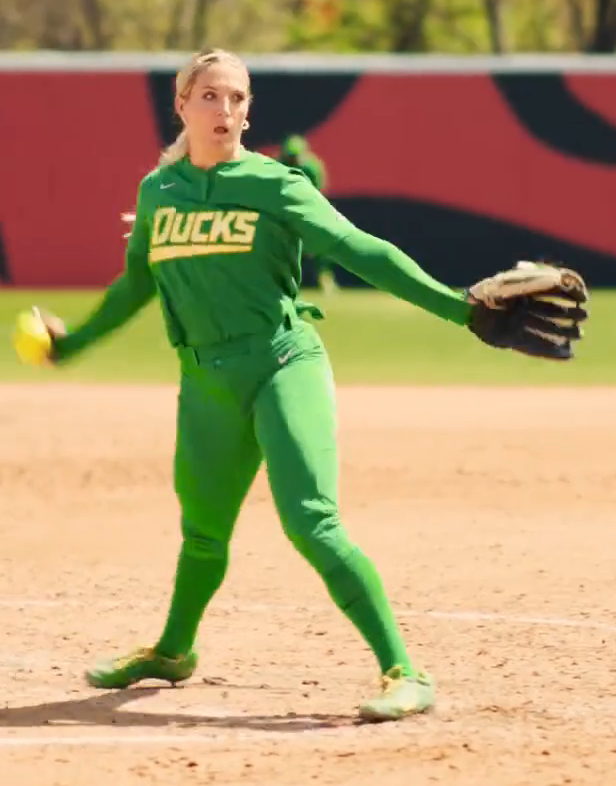
Similarly, many pitchers appear to begin the arm circle following Hello Elbow principles, but by the time they reach the power phase of the motion, they externally rotate and ultimately perform internal rotation just prior to release. Others make every effort to keep the hips open but still end up blocking and beginning to close before releasing the ball.
The result is often a movement pattern that looks much closer to Internal Rotation than to the traditional description of Hello Elbow.
With this in mind, it is reasonable to ask whether the Hello Elbow model accurately describes what actually occurs in elite-level pitching.
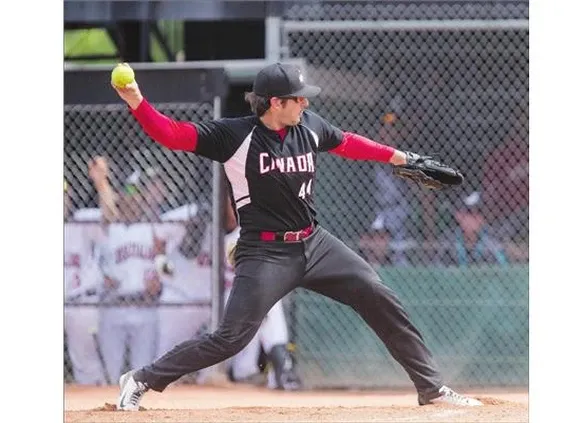
A classic example of a pitcher trained under the Hello Elbow model who, in practice, demonstrates textbook Internal Rotation mechanics.
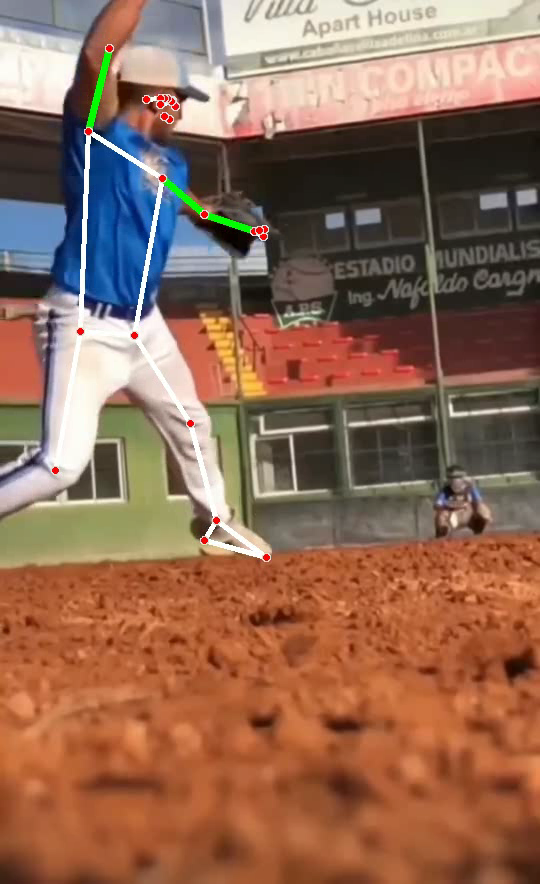
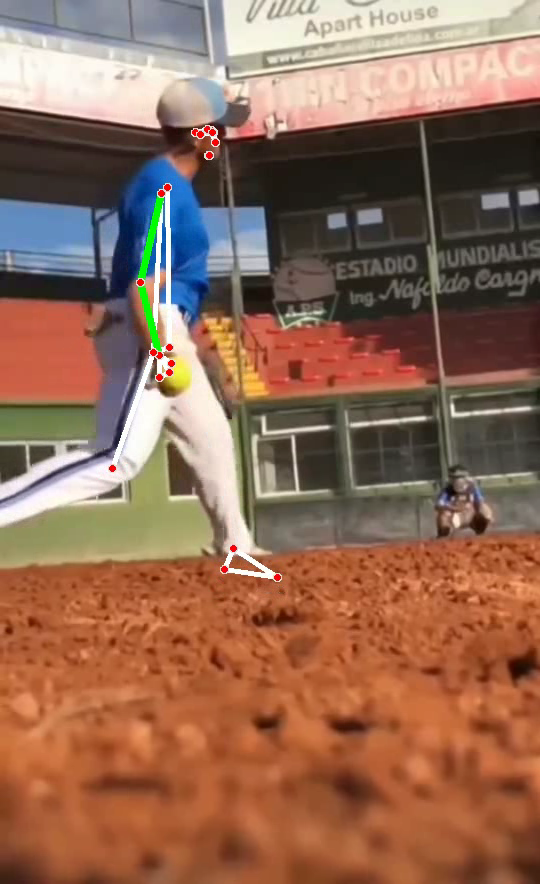
In the image on the left, the hips are completely open. In the image on the right, we can see a well-executed stack position with the hips already in position before ball release.
Focusing on Internal Rotation
As mentioned earlier, Internal Rotation is not a single movement but rather a collection of interconnected mechanics working together.
Since I have already written extensively about hip action, this article will focus specifically on what happens at the shoulder. To understand it properly, however, we need to look at the arm circle as a whole.
How Does the Pitching Arm Move?
Without getting into the countless variations of individual windups, we can identify a general sequence common to most high-level pitchers.
1. Starting Position. The glove arm points toward 3 o'clock, directly toward the target.
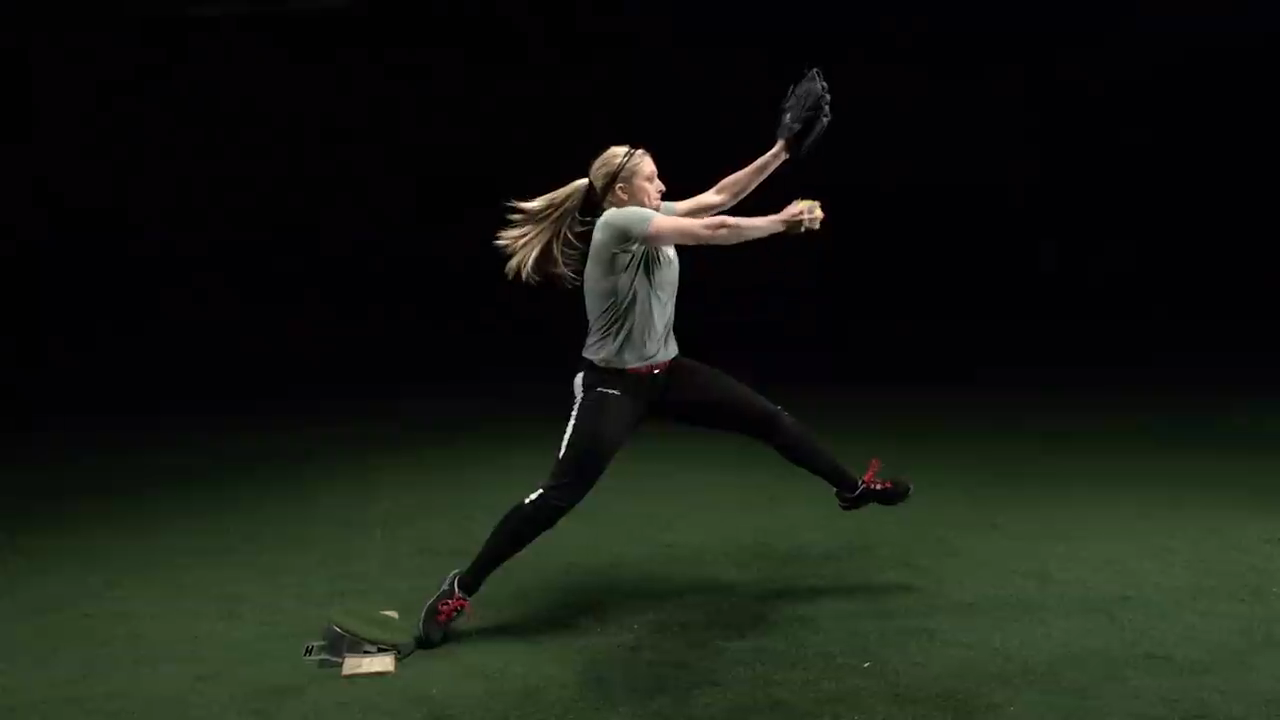
- From 3 o'clock to 12 o'clock, the arm rises and gradually transitions into an externally rotated position.
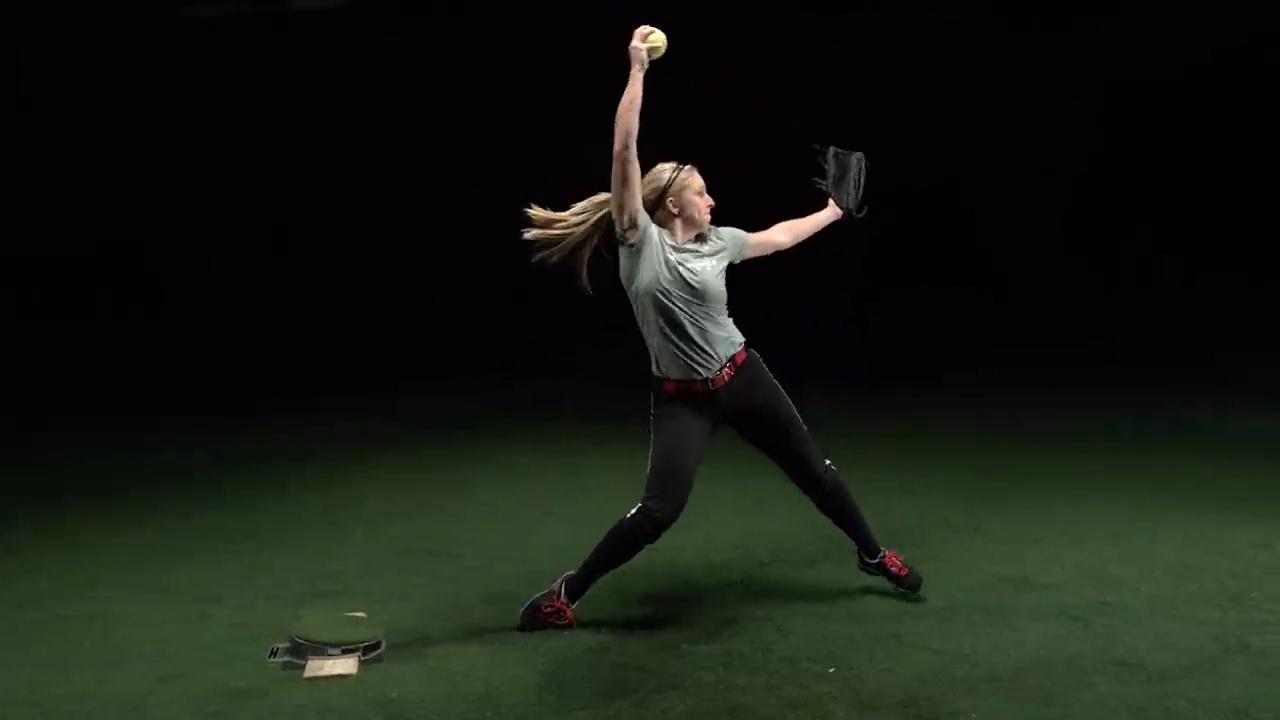
- From 12 o'clock to 9 o'clock, the arm accelerates downward with slight elbow flexion while maintaining external rotation. Coaches often describe this phase as the elbow leading the movement.
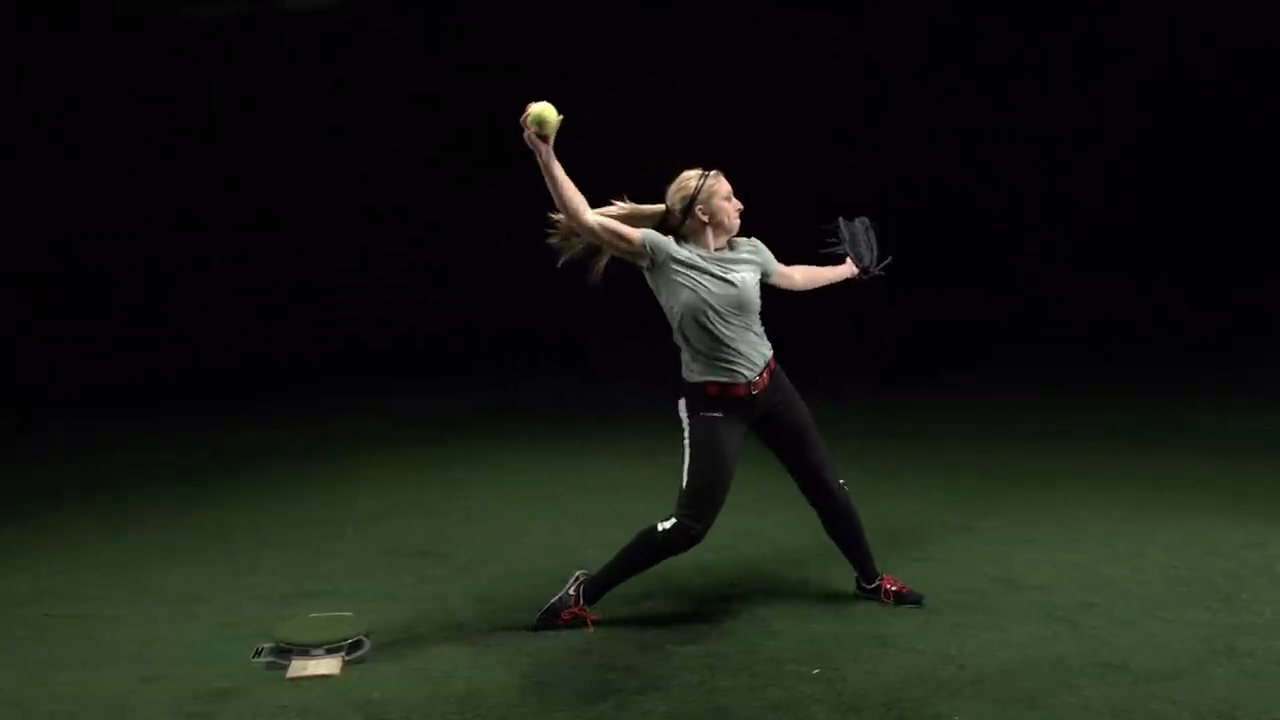
- At approximately 9 o'clock, the pitcher reaches what is commonly known as the Stack Position. At this point, the back knee, hip, and throwing shoulder should be aligned as closely as possible in a vertical line, maximizing the ability to transfer energy efficiently through the body. This concept is very similar to what happens in elite hitting mechanics.
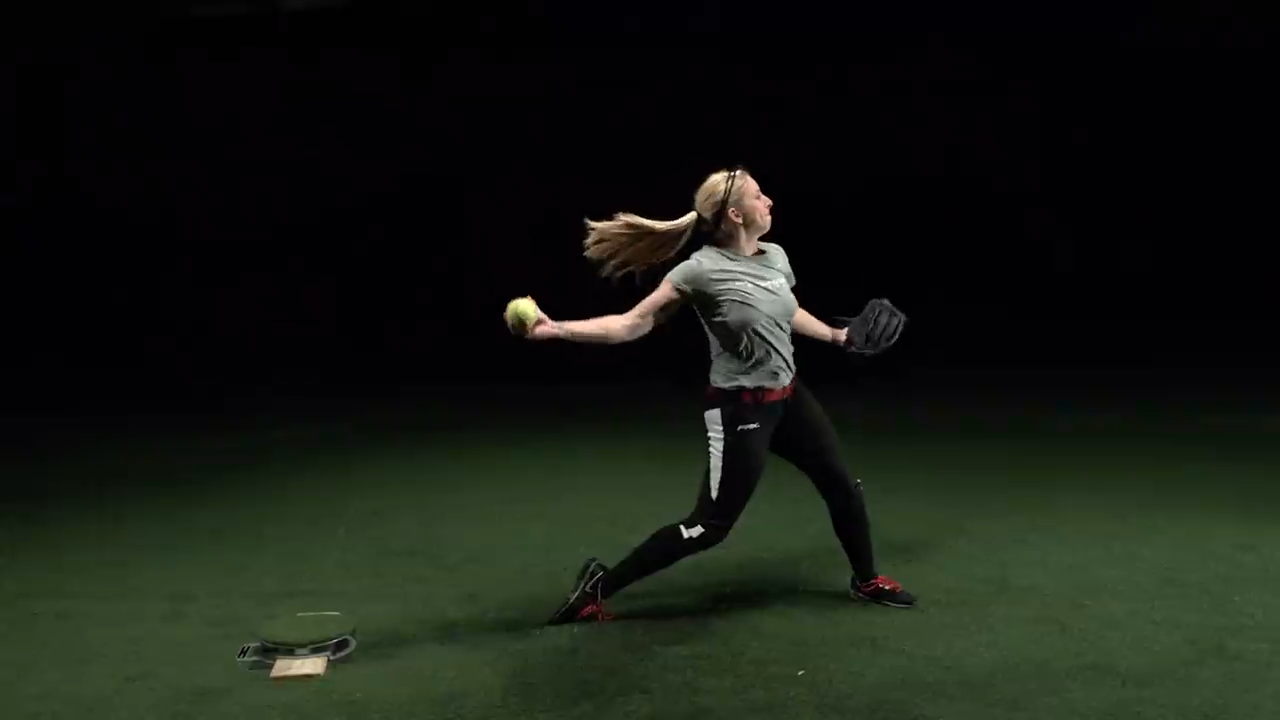
- From 9 o'clock to 6 o'clock, acceleration increases dramatically. The arm continues to accelerate while maintaining external rotation.
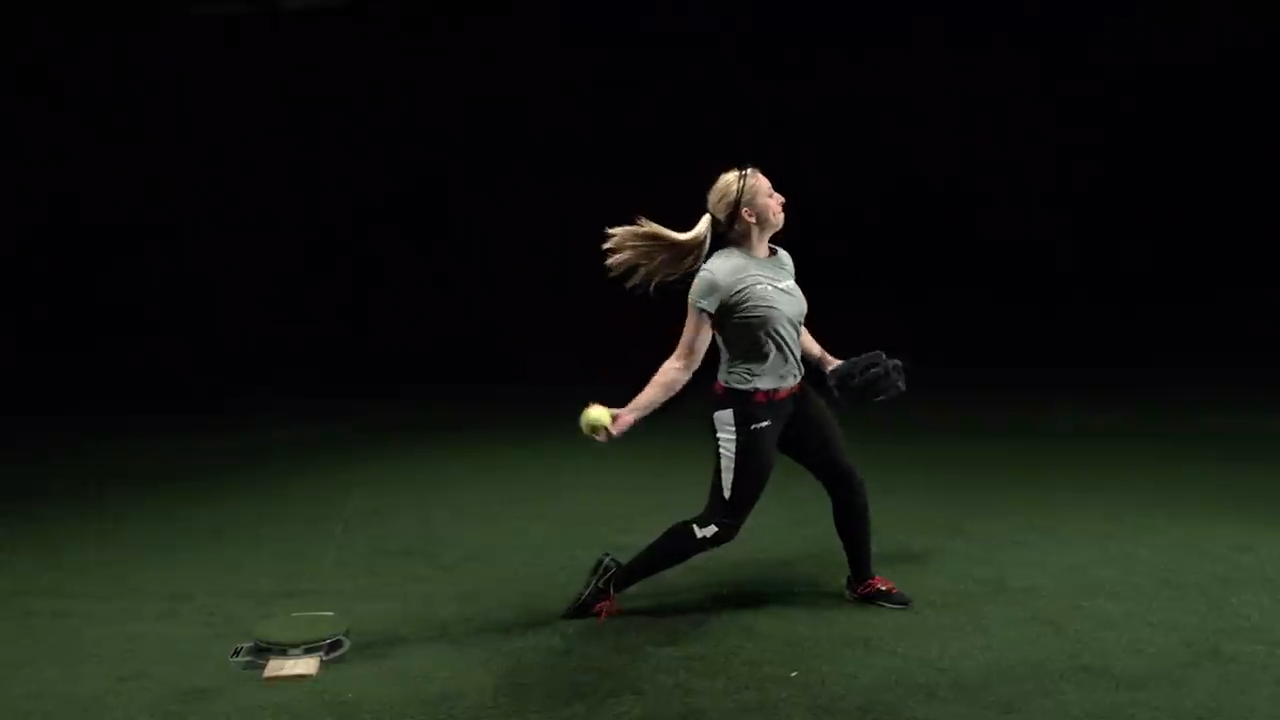
- By the time the hand reaches the release zone near 6 o'clock, the hips have already blocked.
At this point, the forearm makes contact with the thigh or side of the body, commonly referred to as brush contact.
This coincides with the explosive internal rotation that occurs immediately prior to ball release.
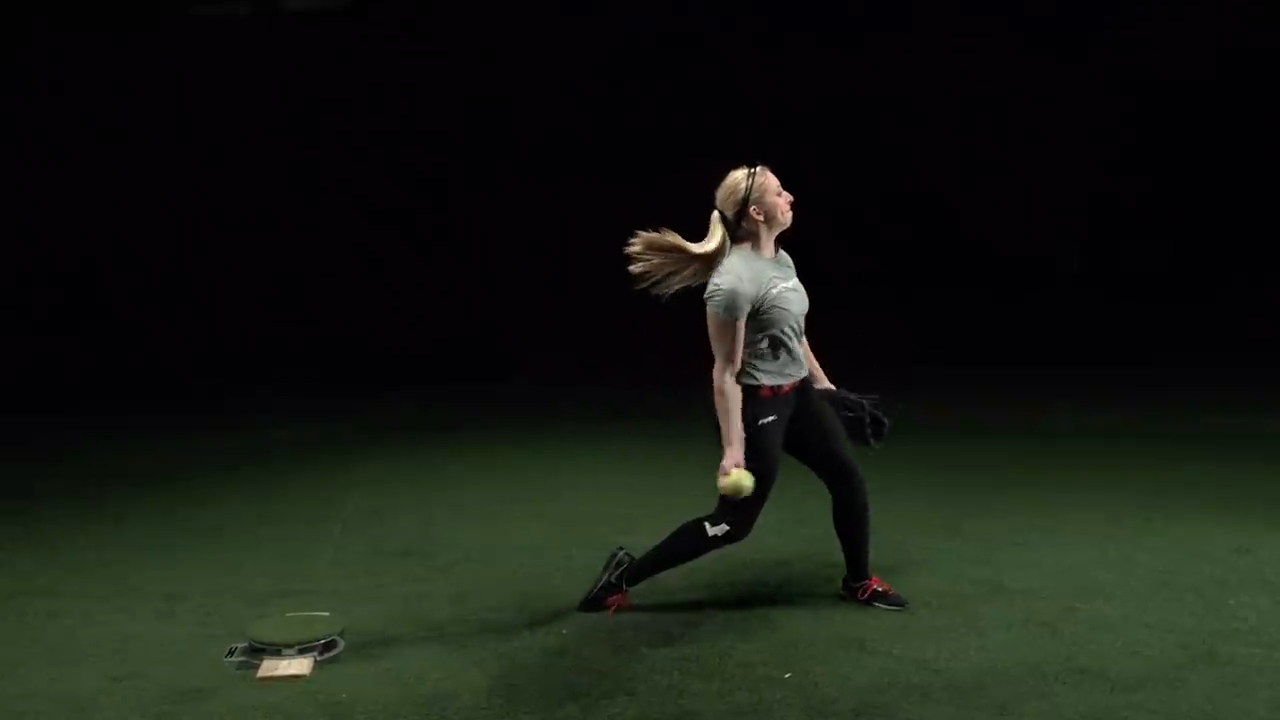
- What Happens During Brush Contact?
Two important things occur:
- The energy accumulated during acceleration is redirected into the whip effect, helping reduce stress on the shoulder.
- Internal shoulder rotation reaches extremely high angular velocities, contributing directly to ball speed.
In the Hello Elbow model, internal rotation is taught much earlier in the arm circle. By the time the hand reaches the release area, the shoulder has already completed most of its rotation. Combined with the idea of maintaining fully open hips and, in some cases, avoiding brush contact altogether, this potentially removes several of the mechanisms that Internal Rotation uses to transfer and dissipate energy.
- After release, the arm naturally continues through the follow-through phase with the forearm pronating and the hand finishing palm-down.
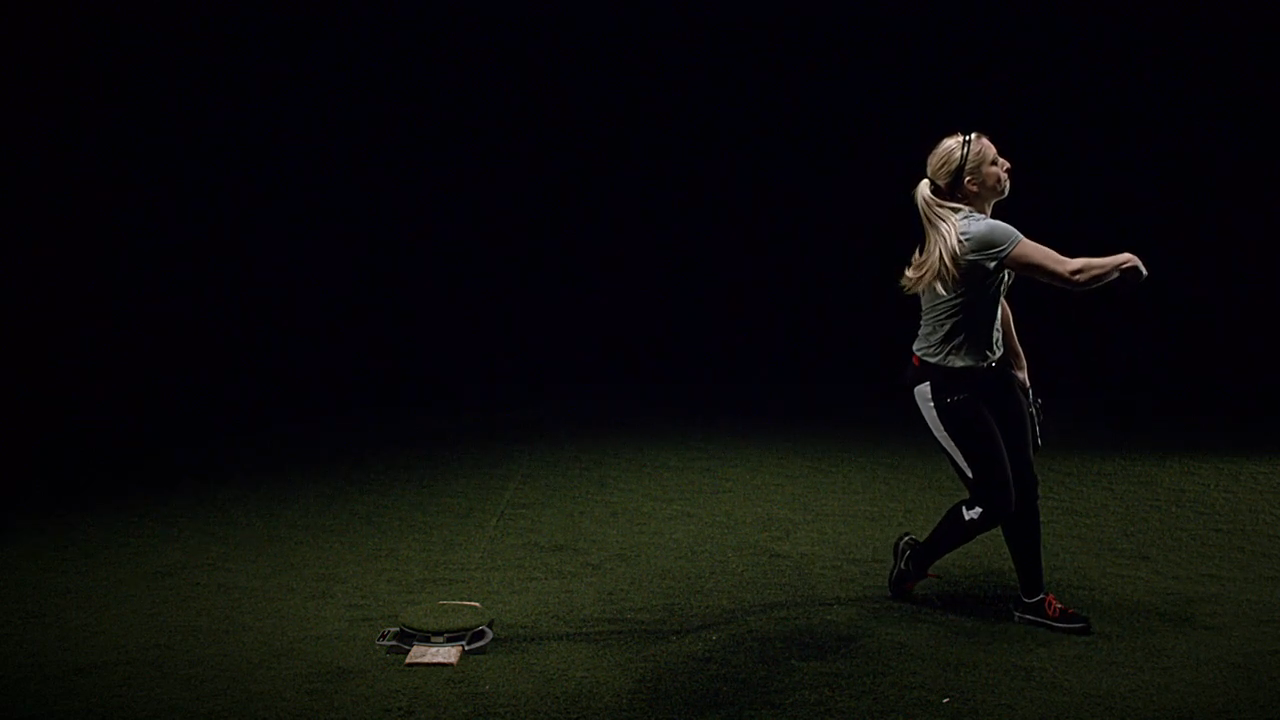
How Important Is Brush Contact?
Brush contact is one of the most consistently observed characteristics among elite softball pitchers.
Although its exact role has not yet been directly isolated in the scientific literature, several coaches and researchers involved in softball biomechanics have proposed explanations for why it appears so consistently.
What About Injuries?
This is perhaps the most controversial aspect of the discussion.
Supporters of both approaches often argue that the other technique is more likely to cause injuries.
At present, there are no studies directly comparing Internal Rotation and Hello Elbow as competing pitching models.
What the literature does show is:
- Softball pitching places significant stress on both the shoulder and elbow.
- Efficient mechanics are critical for reducing injury risk.
- Internal Rotation mechanics have been extensively documented in biomechanical studies.
- Hello Elbow has not been formally described in the biomechanical literature as a complete pitching model.
In many ways, Hello Elbow appears to be much better documented as a coaching model than as a movement pattern consistently observed in elite pitchers.
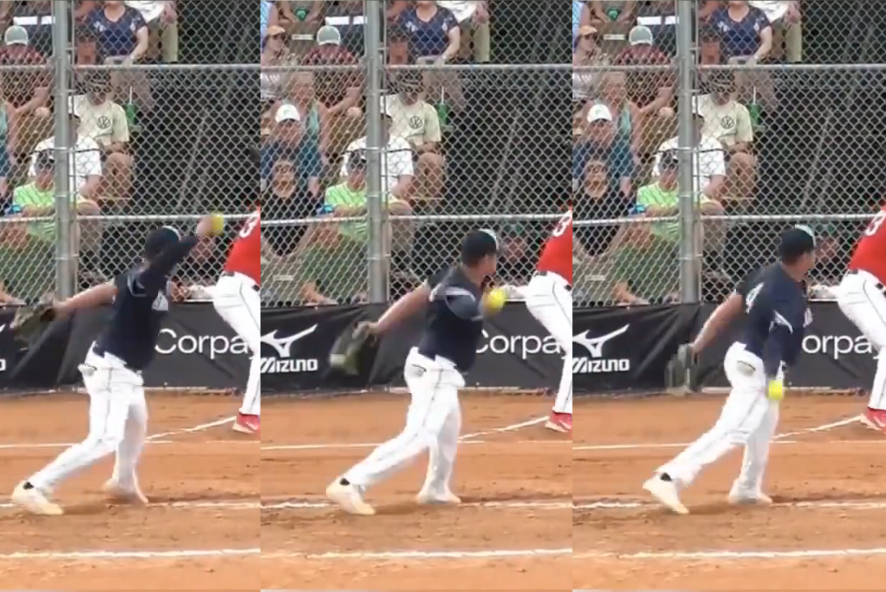
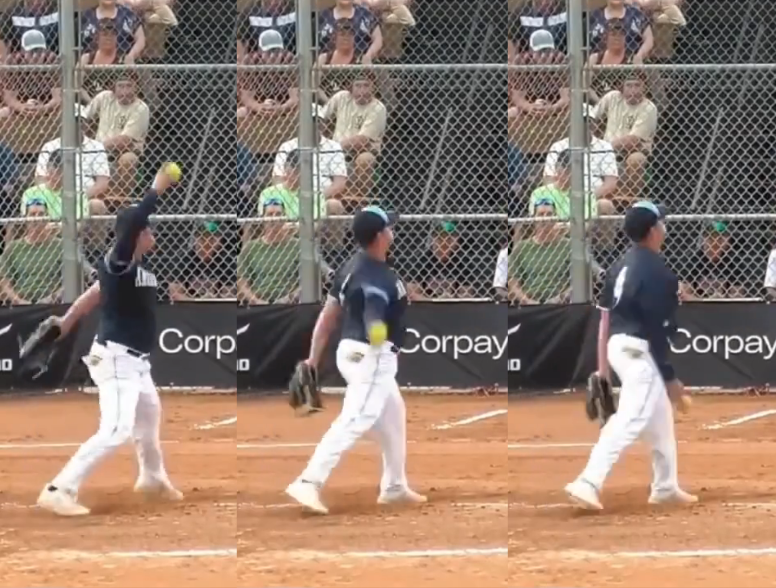
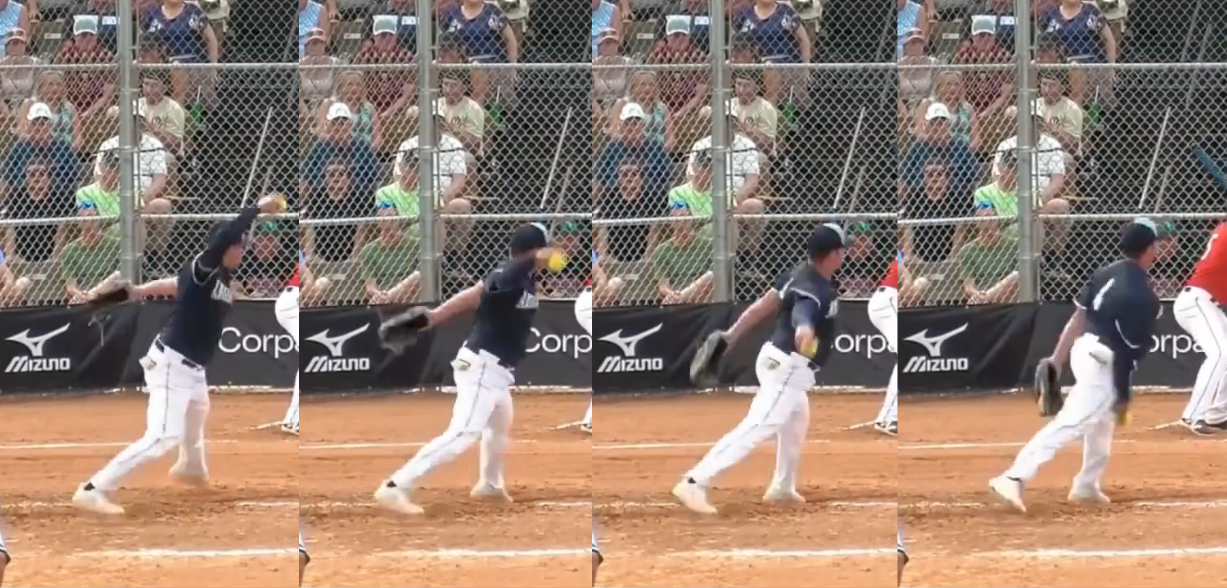
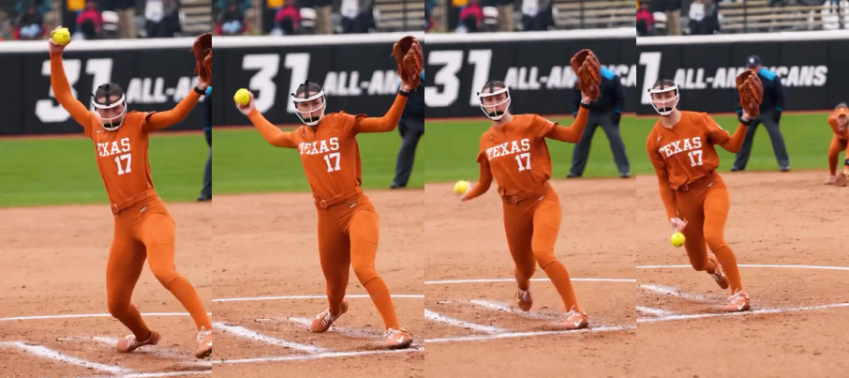
Here we see another example: a former world No. 1 pitcher who was developed under Argentina's traditional Hello Elbow model, yet whose mechanics clearly exhibit Internal Rotation.
Rise ball
Drop ball
Off speed change
What Do the Experts Say?
Josh Johnson, PhD
(Pitching Coach at Virginia Tech Softball and PhD in Exercise Science)
Through his Softball Biomechanics research initiative, Josh Johnson approaches pitching from a strictly scientific and data-driven perspective.
His views on brush contact can be summarized in several key ideas.
Segmental Deceleration and the Whip Effect
To maximize ball velocity, proximal segments such as the shoulder and upper arm must decelerate rapidly so that energy can be transferred to distal segments such as the forearm, wrist, and hand.
According to Johnson, brush contact helps facilitate this transfer by assisting the deceleration of the upper arm.
Shoulder Distraction Forces
Johnson frequently discusses shoulder distraction forces — the forces attempting to pull the shoulder joint apart during the pitching motion.
When the arm moves away from the body and loses brush contact, the rotator cuff must absorb more of the deceleration load on its own.
Maintaining close interaction between the arm and the torso may help reduce this stress.
Arm Path and Elbow Flexion
Johnson also notes that slight elbow flexion during acceleration reduces resistance and joint stress while naturally guiding the arm into an efficient release path.
Evidence Over Tradition
One of Johnson's recurring themes is that softball instruction has historically relied heavily on tradition and anecdotal coaching wisdom.
His interpretation of brush contact is not as a coaching cue or trick, but as a natural consequence of efficient movement patterns supported by biomechanical evidence.
Interestingly, one of the greatest pitchers produced by the Argentine system — despite being developed in an environment dominated by Hello Elbow instruction — now works within a collegiate program where modern biomechanics plays a central role in player development.
Keeley Byrnes
(Founder of Key Fundamentals Softball and certified PaulyGirl Fastpitch instructor)
Keeley Byrnes considers brush contact one of the most important and misunderstood elements of windmill pitching.
The Catapult Effect
For Byrnes, brush contact is not simply a stylistic preference.
It is a defining feature of Internal Rotation mechanics.
She describes it as a braking mechanism that allows energy stored in the upper arm to be transferred into the forearm and hand, creating the familiar whip effect.
Brush Contact Is Not Self-Impact
Byrnes frequently distinguishes between proper brush contact and actually striking the body.
According to her, proper brush contact occurs when the arm stays relaxed and rolls naturally along the torso.
Repeatedly hitting oneself is usually a sign of mechanical inefficiencies rather than an inherent problem with brushing itself.
Consistency and Injury Prevention
Byrnes also argues that brush contact serves as a tactile cue that helps pitchers consistently find the same release point.
At the same time, it may help reduce stress on the shoulder by allowing the torso to absorb part of the deceleration forces.
Individual Differences Matter
A central component of Byrnes' coaching philosophy is the belief that every athlete moves differently.
Rather than forcing all pitchers into a single model, she seeks to identify each athlete's natural movement preferences and build efficient mechanics around them.
Cat Osterman warming up in slow motion.
Conclusions
Biomechanical research consistently describes movement patterns that many coaches have observed in elite pitchers for years.
Those patterns align closely with the principles associated with Internal Rotation.
While many elite pitchers were originally taught under Hello Elbow concepts, their movement patterns often evolve toward solutions that appear remarkably consistent across different levels of competition.
These patterns include:
- Efficient use of the kinetic chain
- Late internal shoulder rotation
- Brush contact near release
REFERENCES:
Werner, S. L., Guido, J. A., McNeice, R. P., & Jones, D. G. (2005).
Biomechanics of youth windmill softball pitching. American Journal of
Sports Medicine, 33(4), 552–560.
https://doi.org/10.1177/0363546504269554
- Werner, S. L., Jones, D. G., Guido, J. A., & Brunet, M. E. (2006).
Kinematics and kinetics of elite windmill softball pitching. American
Journal of Sports Medicine, 34(4), 597–603.
https://doi.org/10.1177/0363546505281796 - Barrentine, S. W., Fleisig, G. S., Whiteside, J. A., Escamilla, R. F.,
& Andrews, J. R. (1998). Biomechanics of windmill softball pitching
with implications about injury mechanisms at the shoulder and elbow.
Journal of Orthopaedic & Sports Physical Therapy, 28(6), 405–414.
https://doi.org/10.2519/jospt.1998.28.6.405 - Friesen, K. B., Butler, L. S., Bordelon, N. M., Oliver, G. D., &
Chalmers, P. N. (2025). Biomechanics of fastpitch softball pitching:
A practitioner's guide. Sports Health, 17(6), 1200–1213.
https://doi.org/10.1177/19417381241298765
PMC: https://www.ncbi.nlm.nih.gov/pmc/articles/PMC11969493/ - Oliver, G. D., Gilmer, G. G., Anz, A. W., & Andrews, J. R. (2018).
Upper extremity pain and pitching mechanics in National Collegiate
Athletic Association Division I softball pitchers. International
Journal of Sports Medicine, 39(12), 929–935.
https://doi.org/10.1055/a-0664-8644 - Friesen, K. B., Oliver, G. D., & Chalmers, P. N. (2021).
Biomechanics related to increased softball pitcher shoulder stress:
A multivariate regression analysis. Orthopaedic Journal of Sports
Medicine, 9(12), 23259671211058432.
https://doi.org/10.1177/23259671211058432
PMC: https://www.ncbi.nlm.nih.gov/pmc/articles/PMC8739590/ - Minetos, P. D., Trojan, J. D., Brown, S. M., & Mulcahey, M. K. (2020).
Softball pitching mechanics and shoulder injuries: A narrative review.
Sports Biomechanics. Advance online publication.
https://doi.org/10.1080/14763141.2020.1761393 - USA Softball. (2024). Pitch count guidelines and safety recommendations.
https://www.usasoftball.com/pitch-count-guidelines - NCAA. (2024-2025). NCAA softball rules and interpretations.
https://www.ncaa.org/sports/softball/rules - Andrews Sports Medicine. (2024). Injury prevention for softball pitchers.
https://www.andrewssportsmedicine.com/softball-pitching-injury-prevention - National Federation of State High School Associations. (2024).
Softball pitch count restrictions by state.
https://www.nfhs.org/sports-resource-content/softball-pitch-count-restrictions/ - Friesen, K. B., Downs, J., Wasserberger, K., & Oliver, G. D. (2022).
Biomechanical differences among fastball, change-up, curveball,
drop ball, and rise ball pitches in youth softball pitchers.
Journal of Applied Biomechanics, 38(4), 245–253.
https://doi.org/10.1123/jab.2021-0189 - Brown, S. M., Minetos, P. D., & Mulcahey, M. K. (2024).
Fastpitch softball injuries: Epidemiology, biomechanics, and
injury prevention. Current Reviews in Musculoskeletal Medicine,
17(2), 45–58. https://doi.org/10.1007/s12178-024-09876-x
PMC: https://www.ncbi.nlm.nih.gov/pmc/articles/PMC10917712/ - Whiteley, R., Ginn, K., Nicholson, L., & Adams, R. (2006).
Indirect ultrasound measurement of shoulder and elbow joint
positions in the windmill softball pitch. Journal of Science
and Medicine in Sport, 9(4), 318–324.
https://doi.org/10.1016/j.jsams.2006.03.023 - Dowling, B., & Weimar, W. H. (2019). Kinematic analysis of the
windmill softball pitch: A systematic review. Sports Biomechanics,
18(3), 267–285. https://doi.org/10.1080/14763141.2017.1422192 - Madsen, L. P., & Oliver, G. D. (2023). Load management strategies
for youth fastpitch softball pitchers: A scoping review.
International Journal of Athletic Therapy and Training, 28(2),
78–89. https://doi.org/10.1123/ijatt.2022-0045
Comments ()